Reasonable accommodation at work: what employers owe you
The RPWD Act makes this a legal obligation, not a favour your manager can decide to skip.
In short
- Legal basis
- Section 20, RPWD Act 2016
- Who must comply
- Employers with 20+ staff need a named Grievance Redressal Officer
- Certificate needed?
- No — protection applies whether or not you hold a UDID
- Already happening
- SAP (Autism at Work) and Wipro, via EnAble India, run active neurodivergent hiring programmes in India
Most workplace conversations about neurodivergence still happen as a favour — something a manager might agree to if they're understanding. The Rights of Persons with Disabilities Act, 2016 changes that framing: under Section 20, employers are legally required to provide "reasonable accommodation" — necessary and appropriate changes to the work environment so you can do your job on equal footing with anyone else.
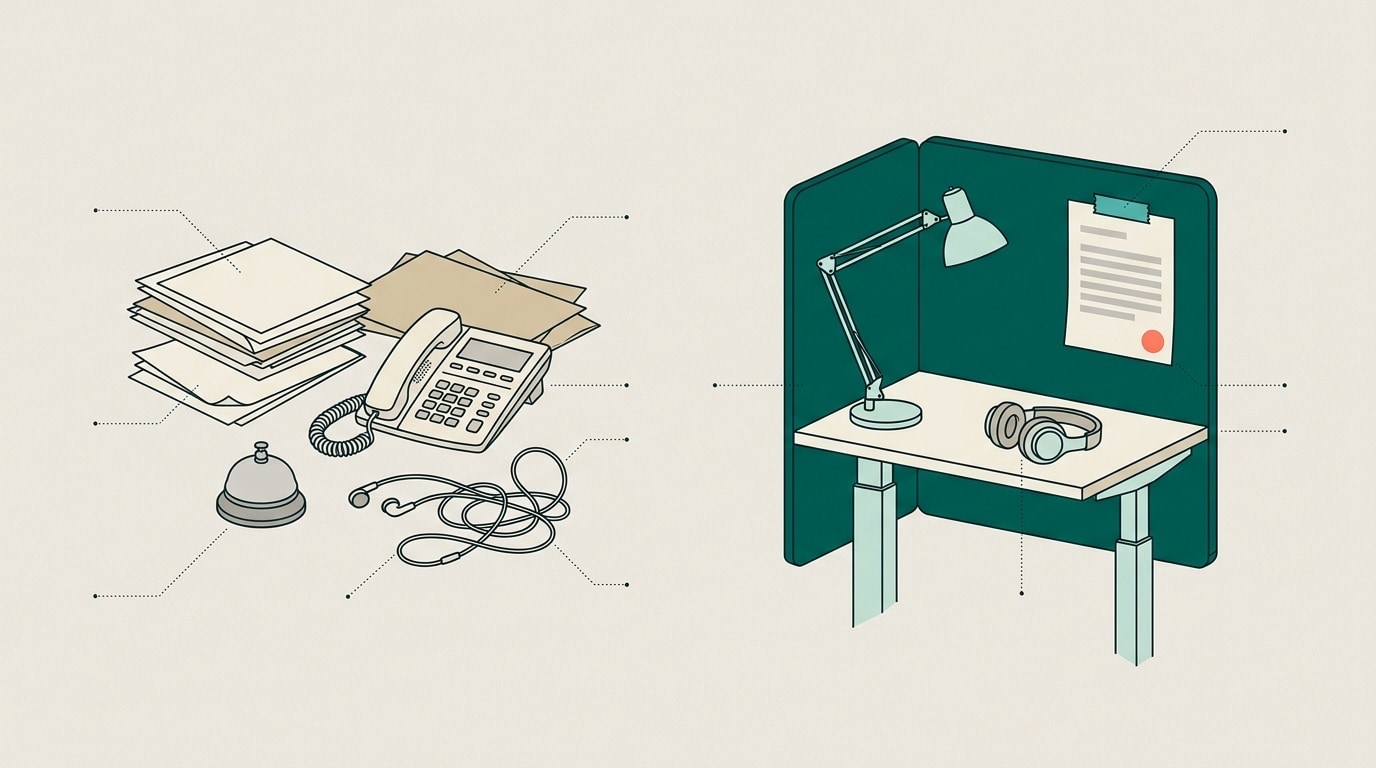
In practice, this covers things like a quieter desk away from noise, flexible hours, working from home part of the week, or written instructions instead of verbal ones — whatever specifically addresses the barrier you're facing. Establishments with 20 or more employees are additionally required to publish an Equal Opportunity Policy and name a Grievance Redressal Officer who handles exactly this kind of request.
A diagnosis or UDID isn't a prerequisite for raising this — the Act protects anyone with a recognised impairment, not just certificate holders. Put the request in writing to HR or the Grievance Redressal Officer; if it goes unaddressed, the next step is a complaint to the State Commissioner for Persons with Disabilities, who has the power to summon the employer and issue a binding order.
Researched Aug 2026. General information, not legal advice. Rules and amounts change, so check with the office or the latest notification before you act.
Not sure where to start? Message us on WhatsApp and we'll help you look.