Naming a guardian for after you're gone
There's no automatic guardianship bypass — a Will can set one up in advance.
In short
- Key step
- Name a Testamentary Guardian in your Will — it removes the biggest source of delay
- Without one
- Relatives start the Local Level Committee process from scratch, with no one yet authorised
- For larger estates
- A Private Special Needs Trust can prevent assets left directly from being frozen
- Benefits after you're gone
- Niramaya stays with the dependent; update DSSS bank and guardian details with Social Welfare quickly to avoid a payment gap
- Life insurance
- Insurers can't refuse cover solely for disability — only charge a justified, disclosed premium loading
It's a question most families put off entirely: what happens to a dependent neurodivergent adult if something happens to the parents who've been managing their care? There is no automatic legal bypass. Without advance planning, relatives have to apply to a Local Level Committee from scratch, with no one yet legally authorised to act in the meantime.
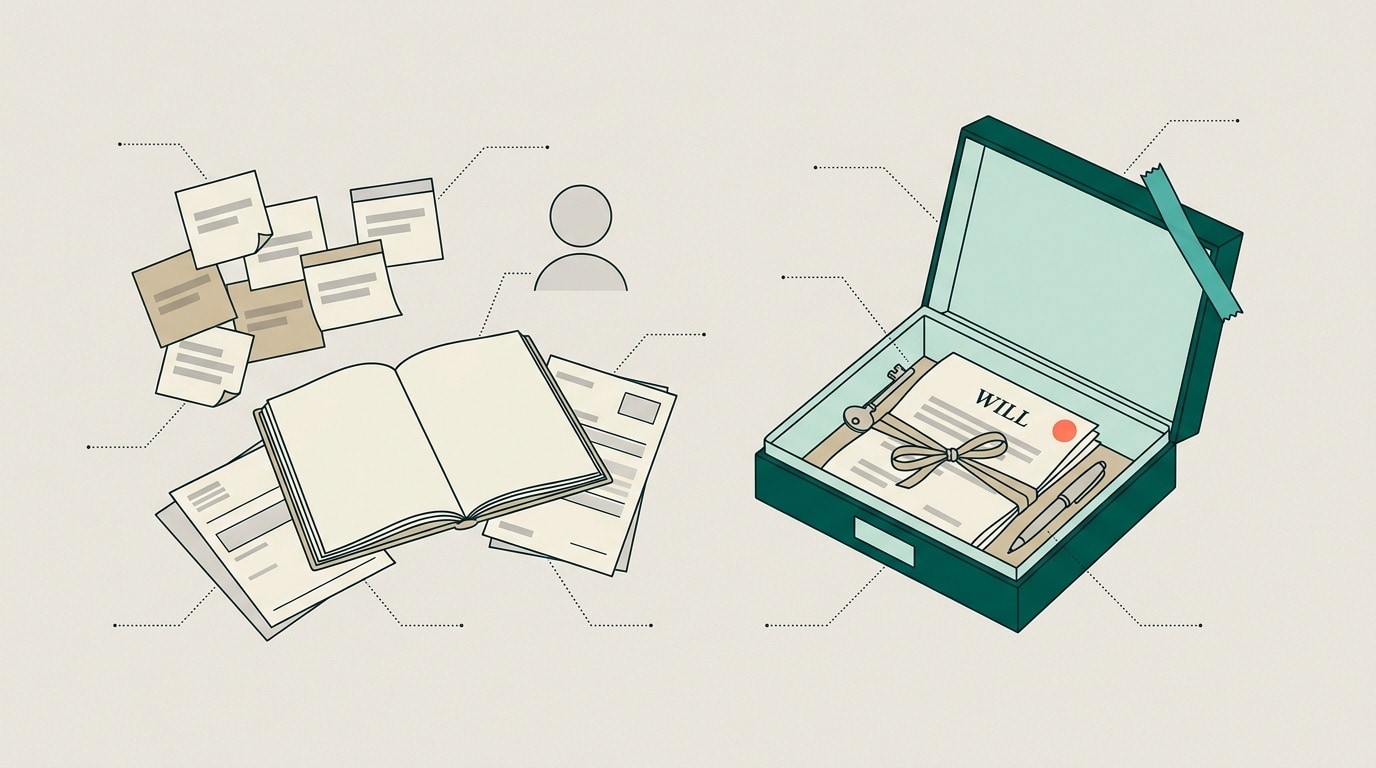
The mechanism that closes this gap is naming a Testamentary Guardian in a Will — a specific, legally recognised nomination of who should take on guardianship responsibilities if you're no longer able to. It doesn't remove the need for the Local Level Committee process afterward, but it removes the uncertainty about who that process should appoint, which is often what causes the longest delays.
This pairs directly with broader estate planning — families with assets to leave sometimes use a Private Special Needs Trust under the Indian Trusts Act instead of leaving property directly to a dependent adult who may not be able to manage it themselves; leaving assets directly, without a trust structure, can end up freezing them rather than helping. A lawyer familiar with both the National Trust Act and estate planning is worth involving early, not after the fact.
Benefits don't automatically stop when a caregiver dies, but they don't automatically continue either — someone has to update the records quickly. Niramaya coverage stays with the person, not the caregiver, so a new guardian just needs to update details with the registered organisation or the National Trust directly. If a DSSS pension was paid through the caregiver as representative payee, the local Social Welfare Office needs the death certificate and updated bank details promptly to avoid a gap in payment.
Researched Aug 2026. General information, not legal advice. Rules and amounts change, so check with the office or the latest notification before you act.
Not sure where to start? Message us on WhatsApp and we'll help you look.