Diagnosed abroad? Why it doesn't transfer automatically
A US, UK, or Gulf diagnosis is real — but it doesn't carry over to Indian schemes on its own.
In short
- Foreign diagnosis
- Real evidence to bring, but not valid on its own for Indian schemes
- What's required
- Re-registration through UDID, assessed by an Indian medical board
- OCI/PIO holders
- Can't access state pensions like DSSS, but UDID still unlocks accommodation rights
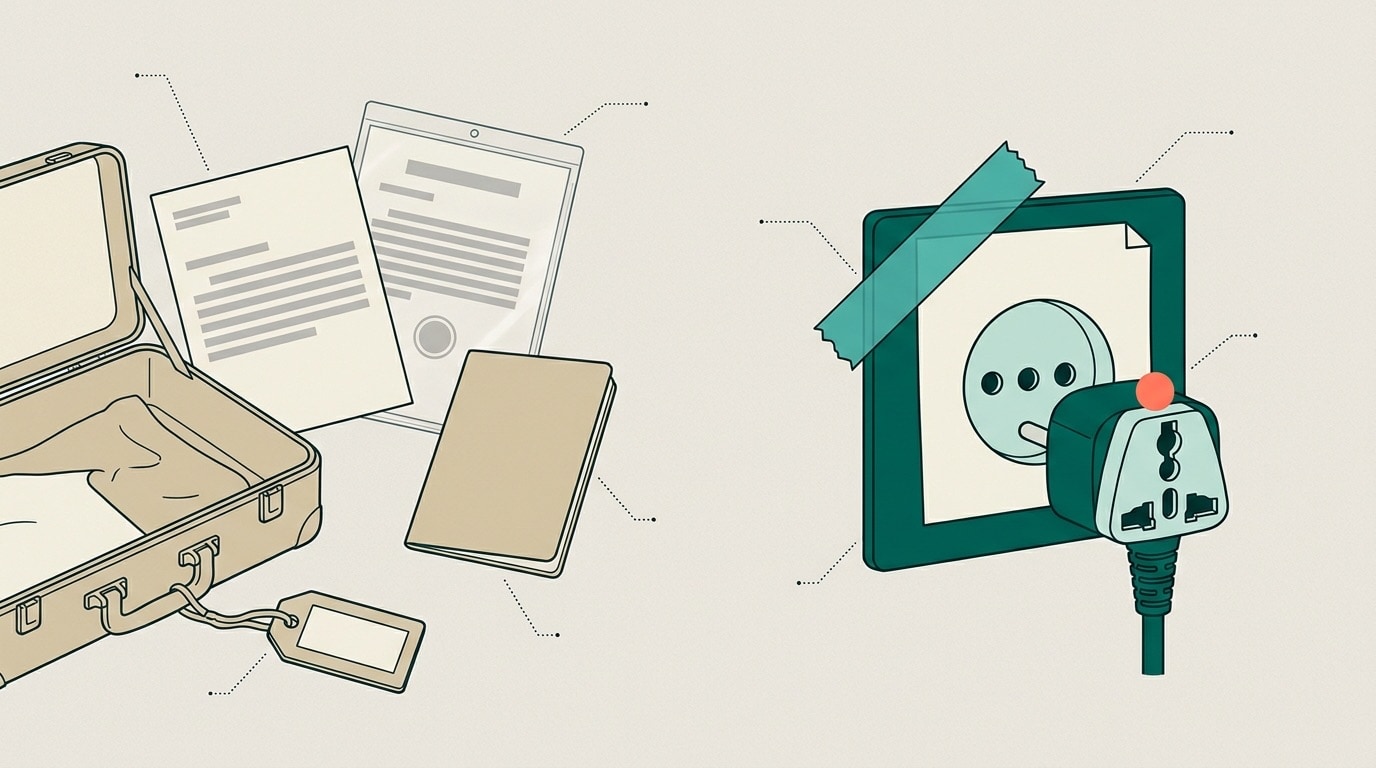
Families returning to India after a diagnosis made abroad often assume the paperwork carries over. It doesn't. An autism or ADHD diagnosis from the US, UK, or Gulf isn't legally valid for Indian government schemes on its own, however thorough the original assessment was.
The practical requirement: re-registration through the UDID process, evaluated by an Indian government medical board using India's own standardised assessment tools. The original foreign diagnosis is still useful supporting evidence to bring along — it just isn't a substitute for the Indian certification step.
For OCI or PIO status holders specifically, there's a further limit: state pensions like DSSS aren't accessible regardless of certification, since those are resident-citizen benefits. The UDID process is still worth completing even so — it's what gives you legal standing to request reasonable accommodation from an Indian school or employer, independent of pension eligibility.
Researched Aug 2026. General information, not legal advice. Rules and amounts change, so check with the office or the latest notification before you act.
Not sure where to start? Message us on WhatsApp and we'll help you look.